Valley regions
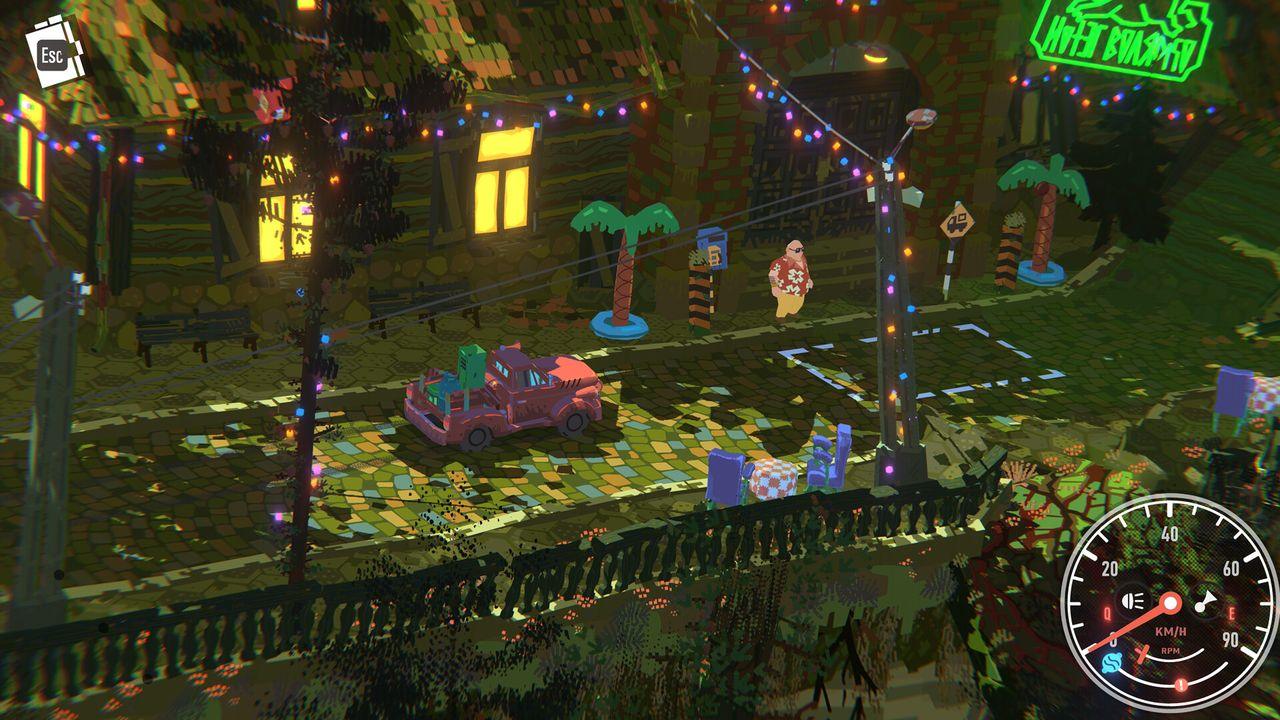
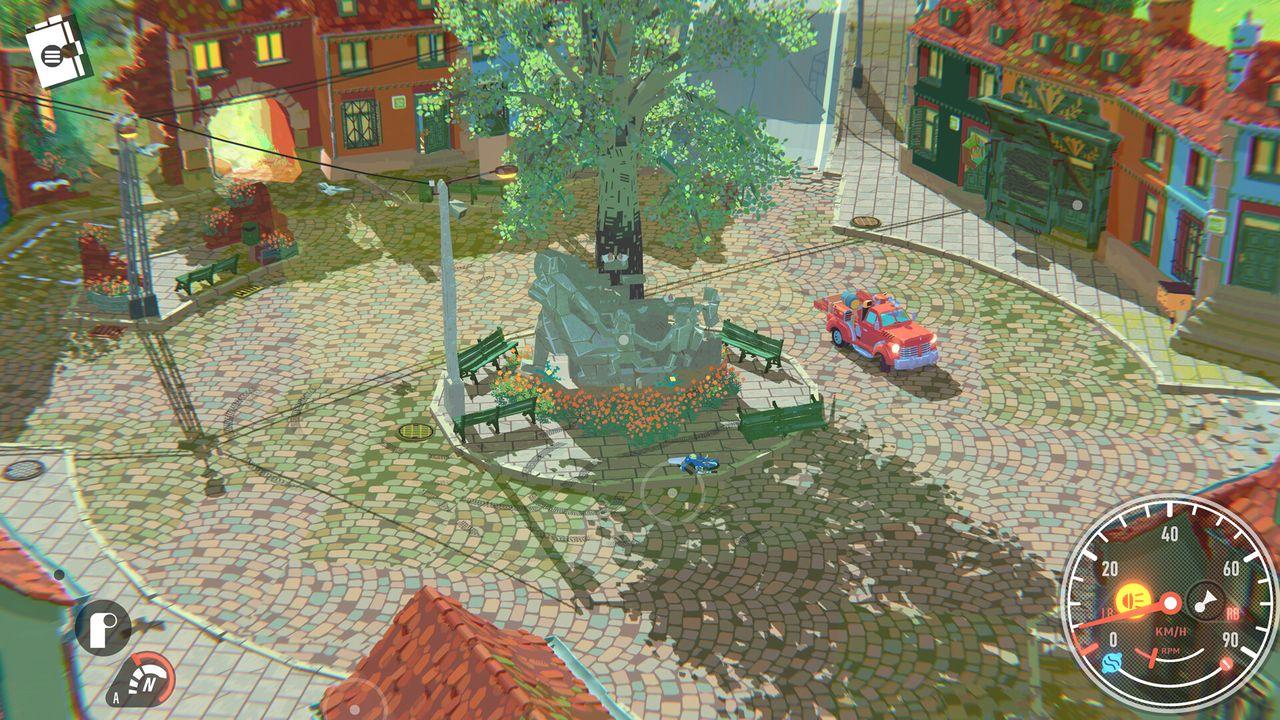
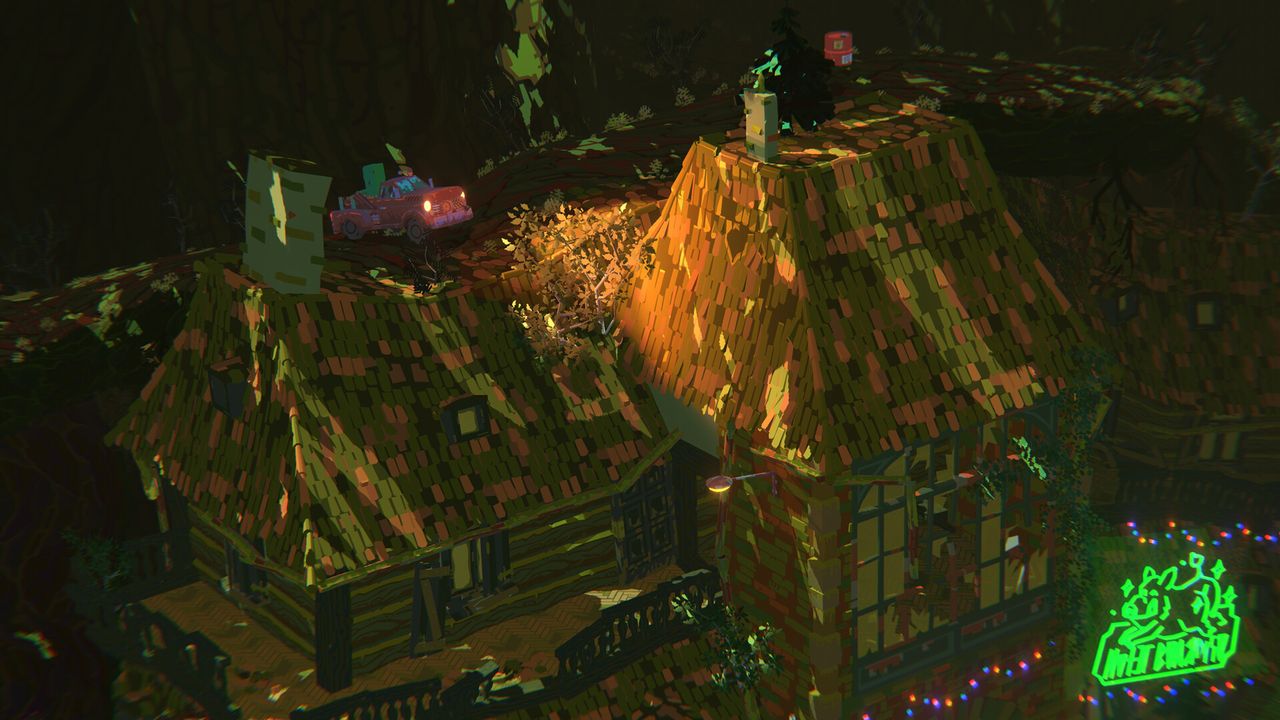
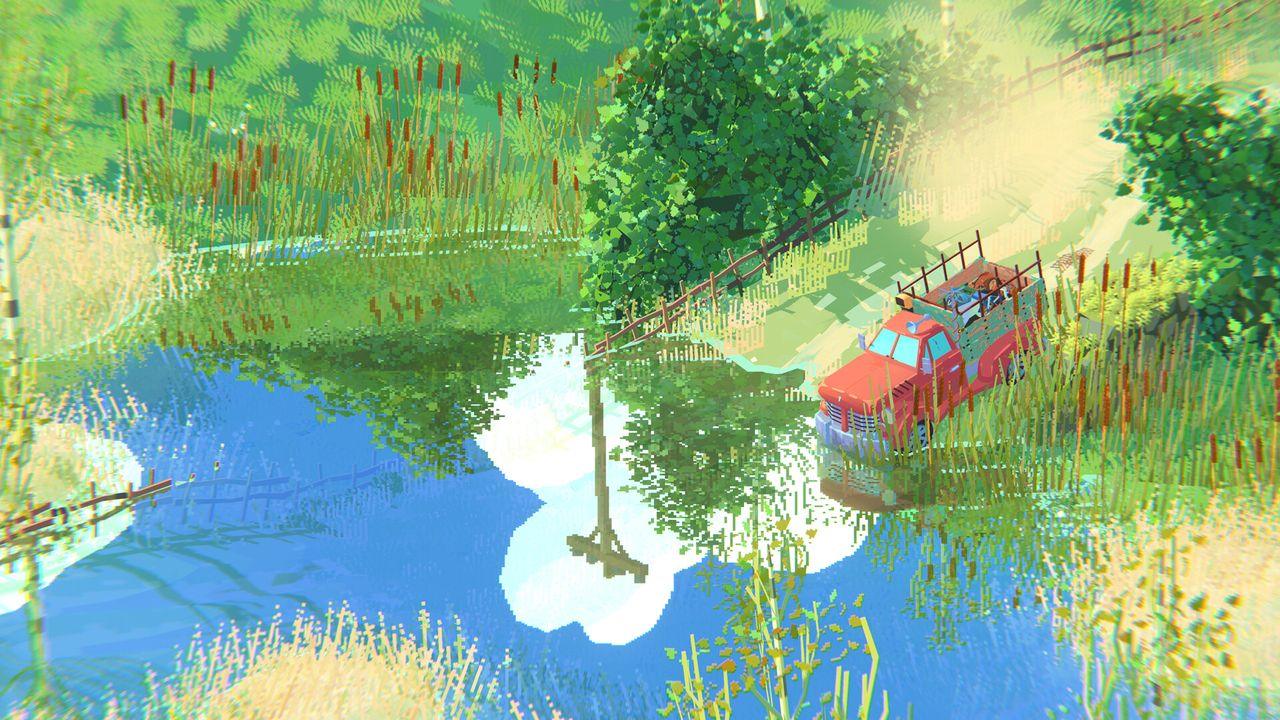
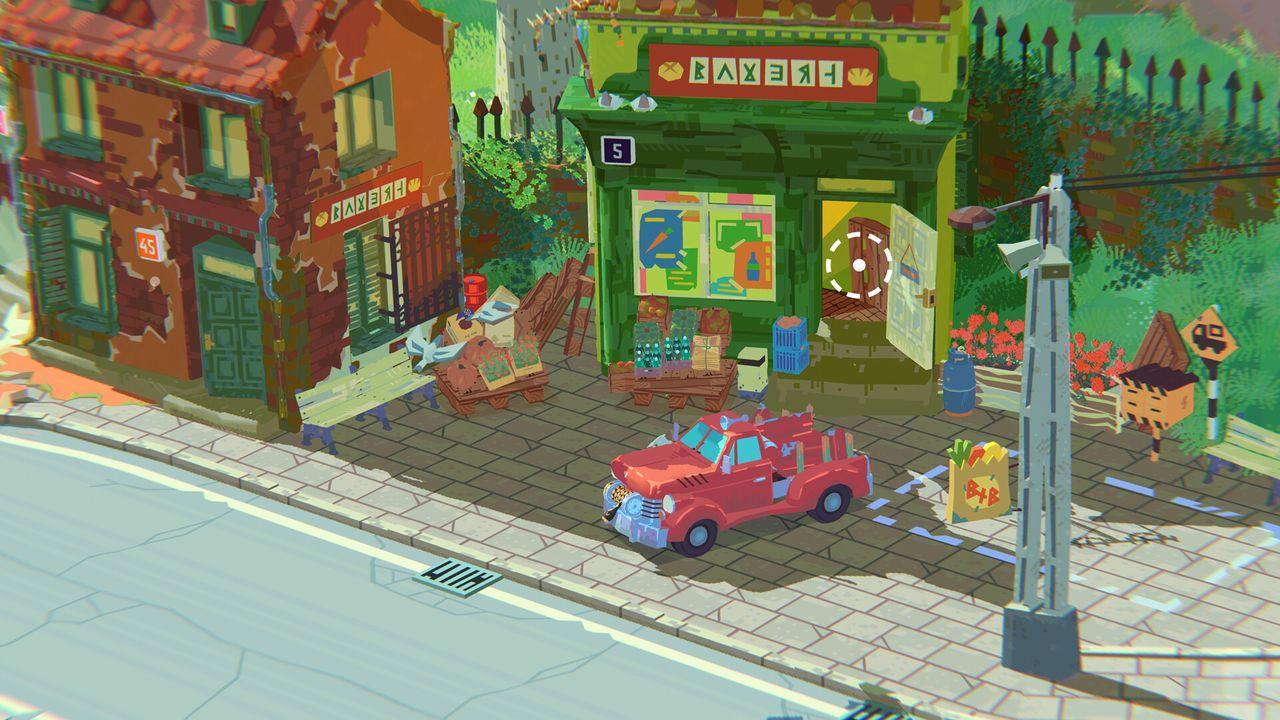
Truckful is one large interconnected valley rather than an open world: quiet towns, dense forest, marshes and wetlands, tunnels and caves, a scrapyard and dusty hills. New routes open up as the truck is upgraded.
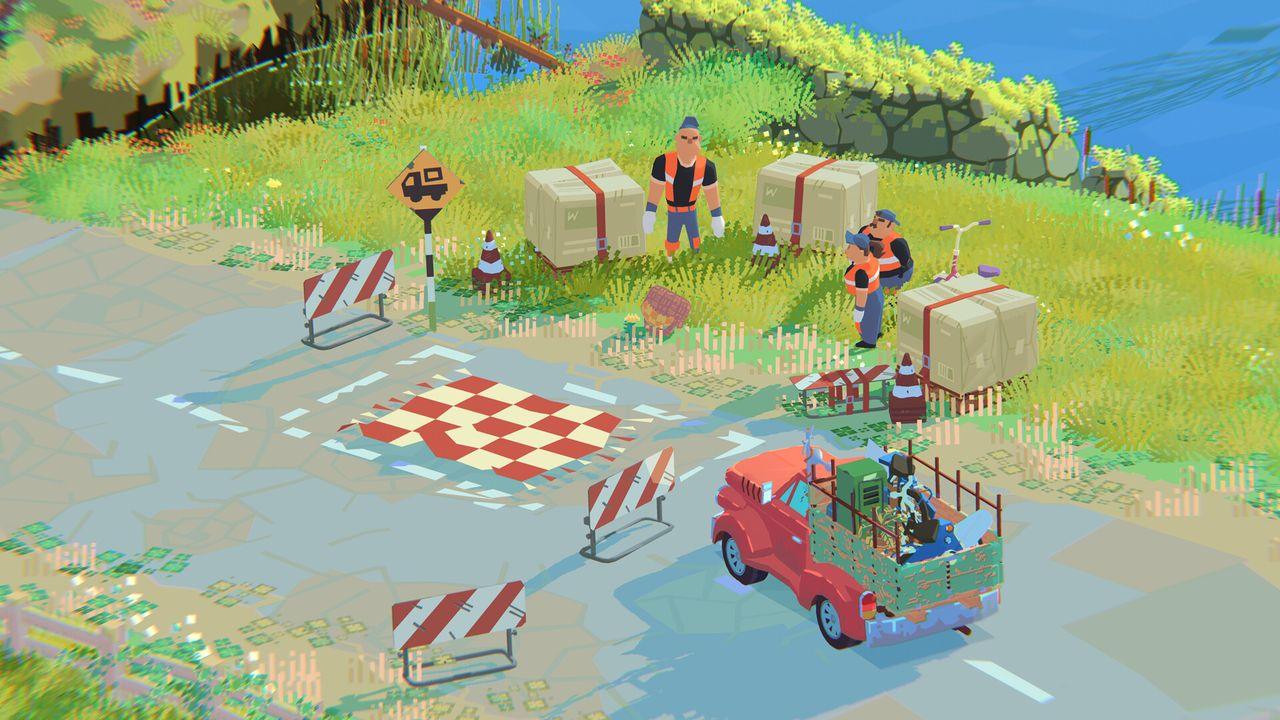
One valley, not one map
The studio's own description: "Truckful features a large interconnected valley with multiple regions, shortcuts, hidden roads, and exploration. Think of it as a semi-open world: new routes become accessible as your truck gains upgrades, encouraging discovery instead of one massive sandbox."
That second sentence is the one to plan around. Your route network is a function of your truck. The valley does not open because you finished a chapter; it opens because you bought a snorkel or a booster.
The confirmed regions
MythicOwl listed the environments in its pre-launch FAQ. What each one does to a delivery:
| Region | Surface and obstacles | Effect on your load |
|---|---|---|
| Quiet towns | Cobbled squares, kerbs, tight streets, parked traffic | Low-speed precision work; kerbs unsettle a tall stack, and short braking distances punish heavy bed weight |
| Dense forest | Tree-lined tracks, potholes, blind corners | Constant vibration loosens poorly wedged cargo; hidden paths branch off the main track |
| Marshes, wetlands and swamps | Soft ground, standing water, the studio calls some areas "no-go" | Water crossings gate progress — this is where the snorkel upgrade opens routes |
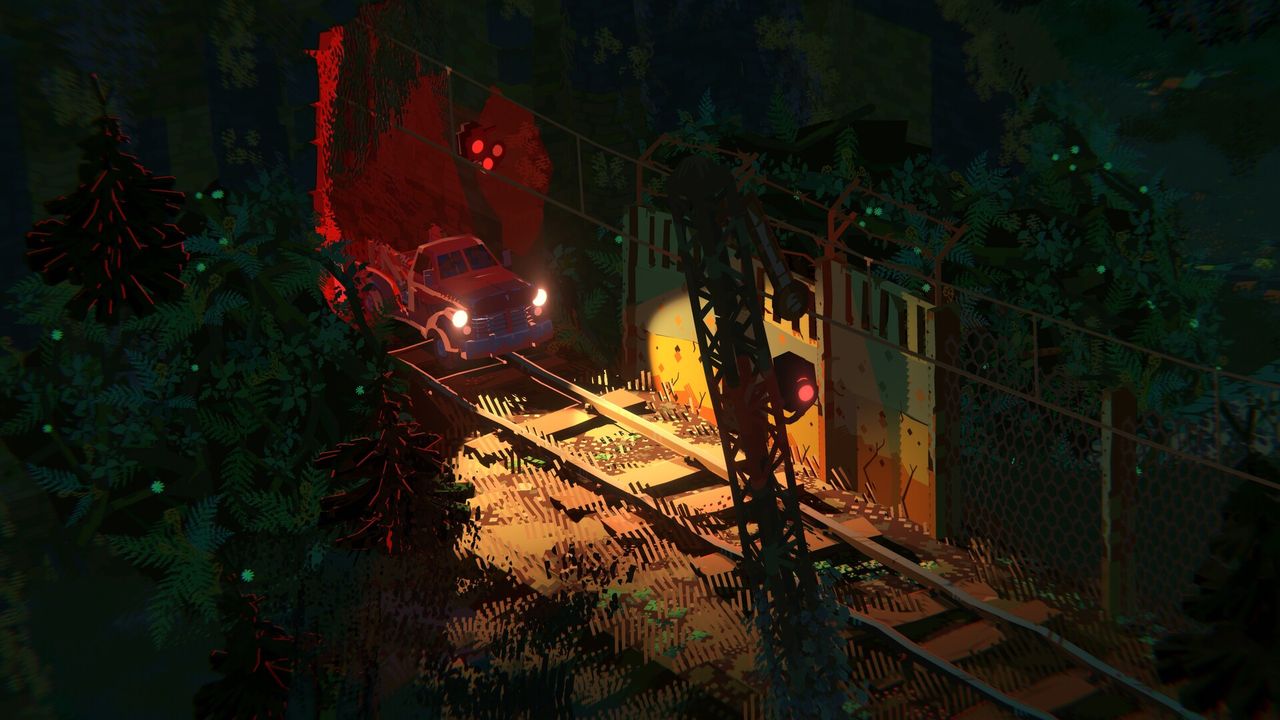
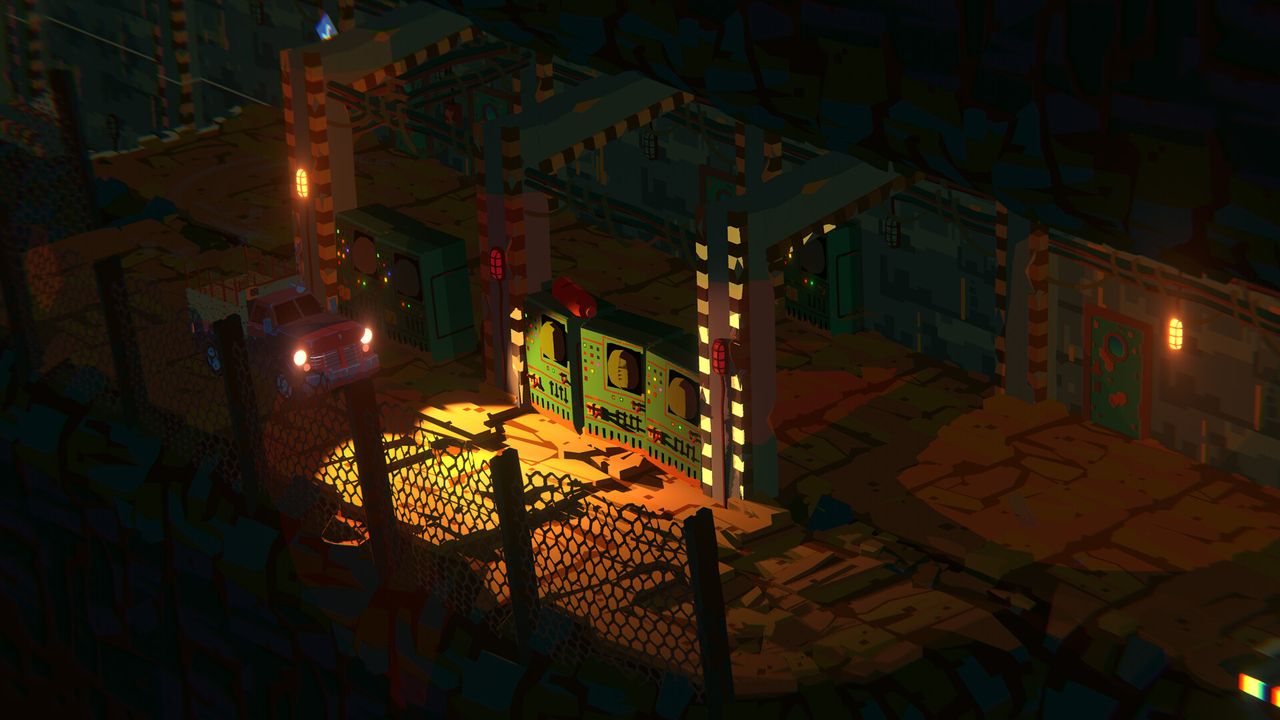
| Tunnels and caves | Enclosed, dark, narrow | Tight margins; a shifted load has nowhere to slide to, so stacking errors compound |
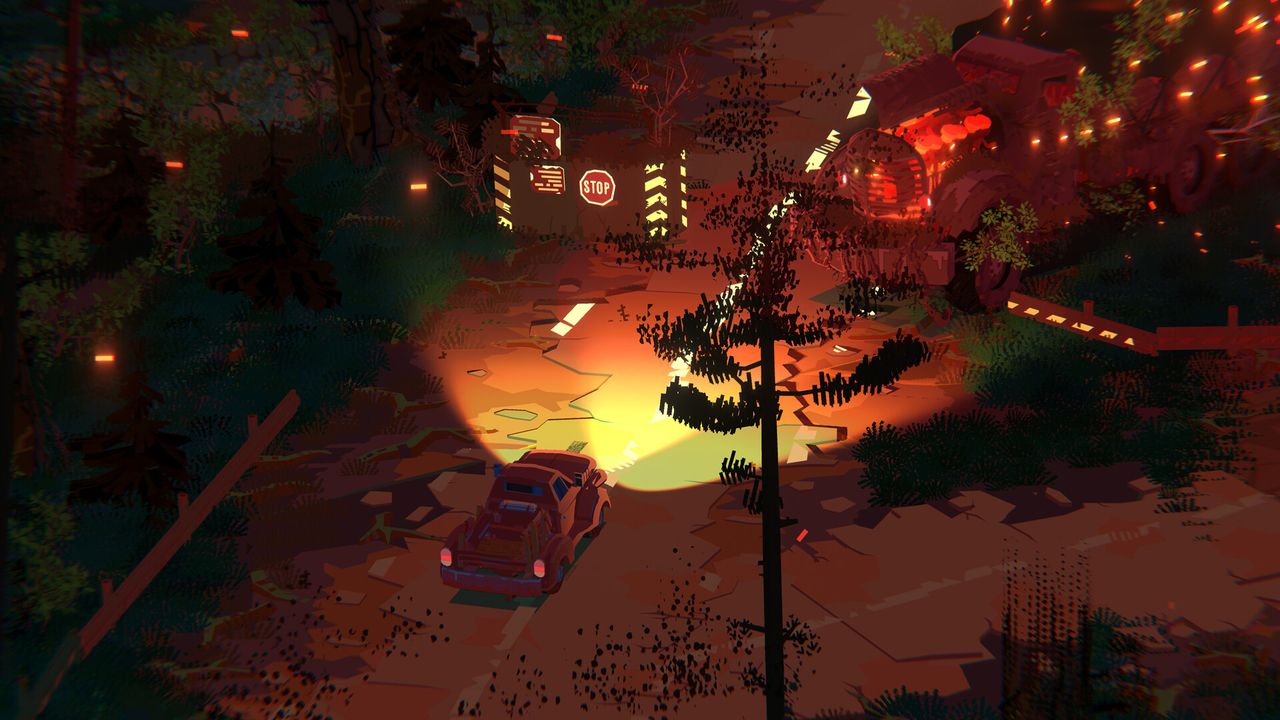
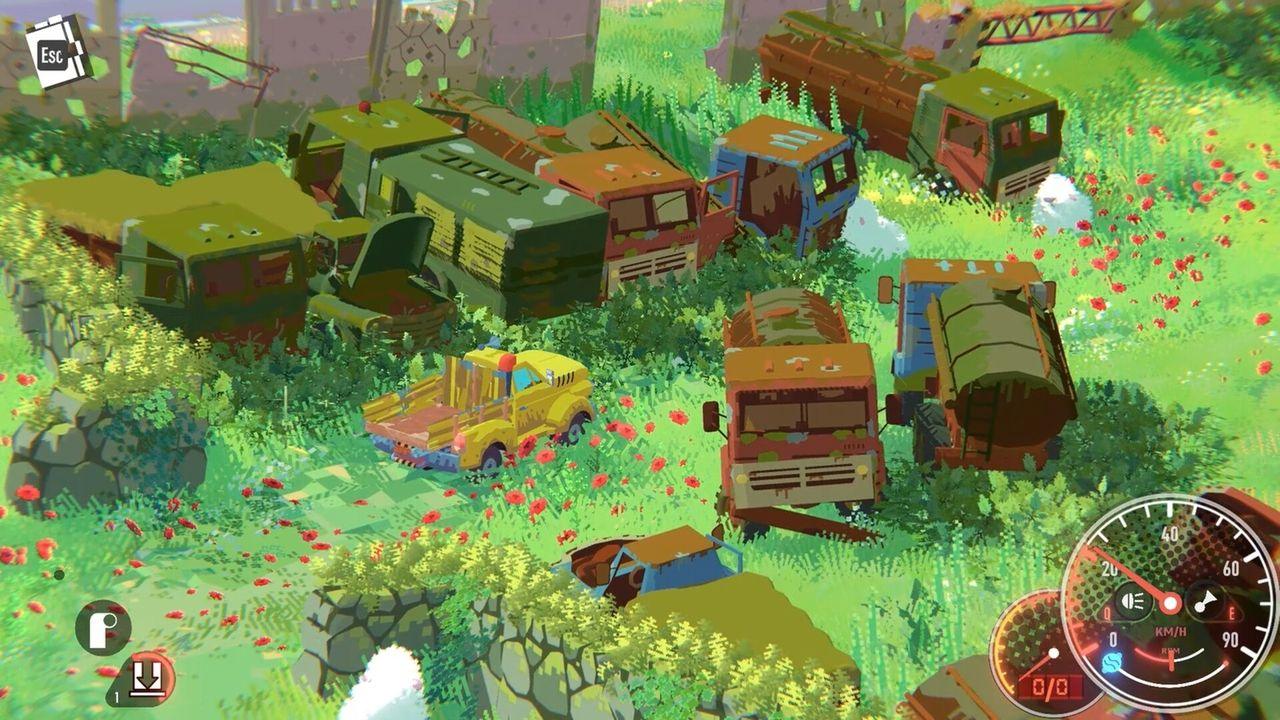
| The Scrapyard | Industrial ground, obstacles, debris | Scrap country: where you convert junk into upgrade materials at Red's Scrapyard |
| Dusty hills and abandoned regions | Loose dust, gravel, gradients, quicksand-like patches | Traction-limited climbs; a heavy load makes gradients a real decision, and dust hides surface changes |
Which problem each region is really testing
Each region changes which of your three problems is dominant:
- Towns and caves = space. Stacking errors and braking distance.
- Forest = vibration. Everything must be wedged.
- Marsh and water = route access. Capability, not skill.
- Dust and hills = traction. Weight placement decides whether you climb.
If a delivery is repeatedly failing, the odds are good it is one of these four and not your driving — the cargo physics page has the stack-level fixes, and the upgrades page has the capability-level ones.
Navigation: getting lost on purpose
The FAQ answers the "what if I get lost" question with a design statement: "You can surely get lost and that's all good, as long as you keep your cargo and know how to use a handful of navigational help. Full game includes a 'multi-tool' notebook with a map, objectives tracker and found collectibles. There are also save shrines, making exploration much more intuitive while still rewarding curiosity. Hidden paths often lead to useful shortcuts or valuable discoveries as well — we want to give players comfort of getting lost and then finding the way again."
So the intended loop is: take the long way, find a shortcut, mark it, come back later with a better truck. Save shrines are the safety net that makes that safe.
Route planning before you accept a job
Without published route data, the practical checklist is capability-based:
- Does the job cross water? If yes and you have no snorkel, decline or expect a detour.
- Is it timed? Then you need the boosters or a short, clean route.
- Is the cargo fragile? Then pick the route with the fewest regions that vibrate, not the shortest one.
- Do you need scrap? Pick the region with abandonment in it — the hills, caves and scrapyard.