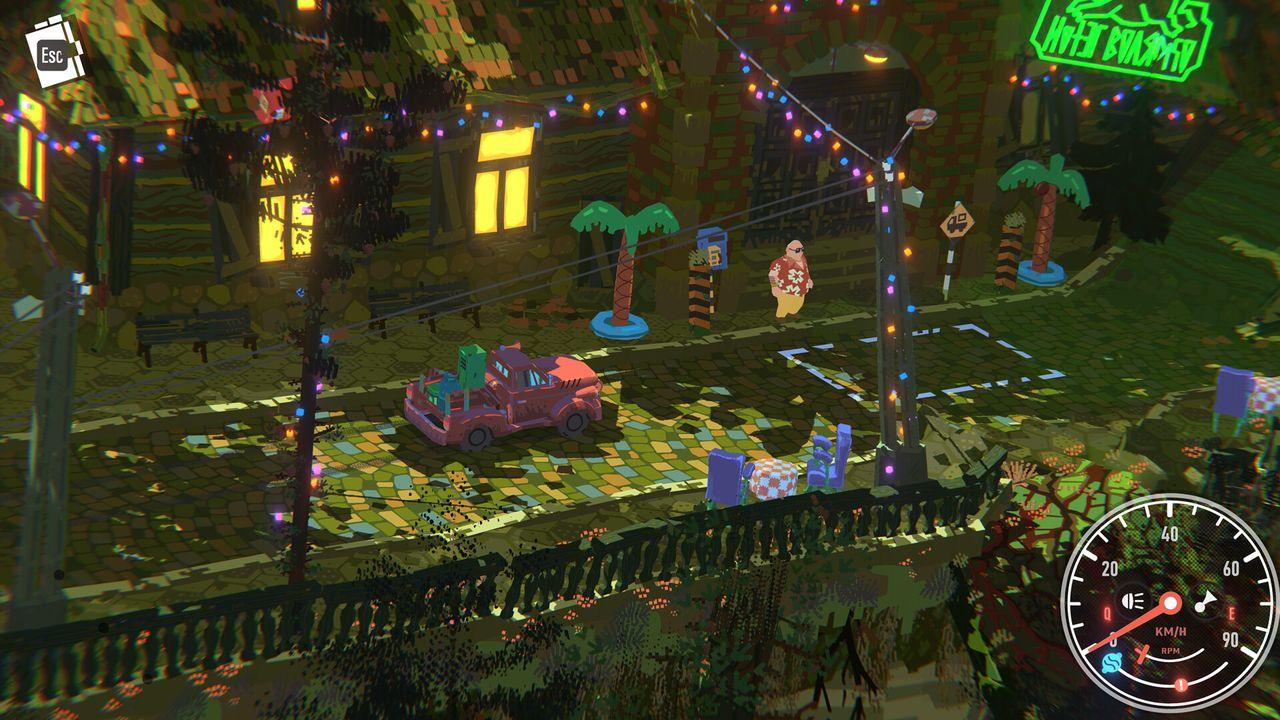
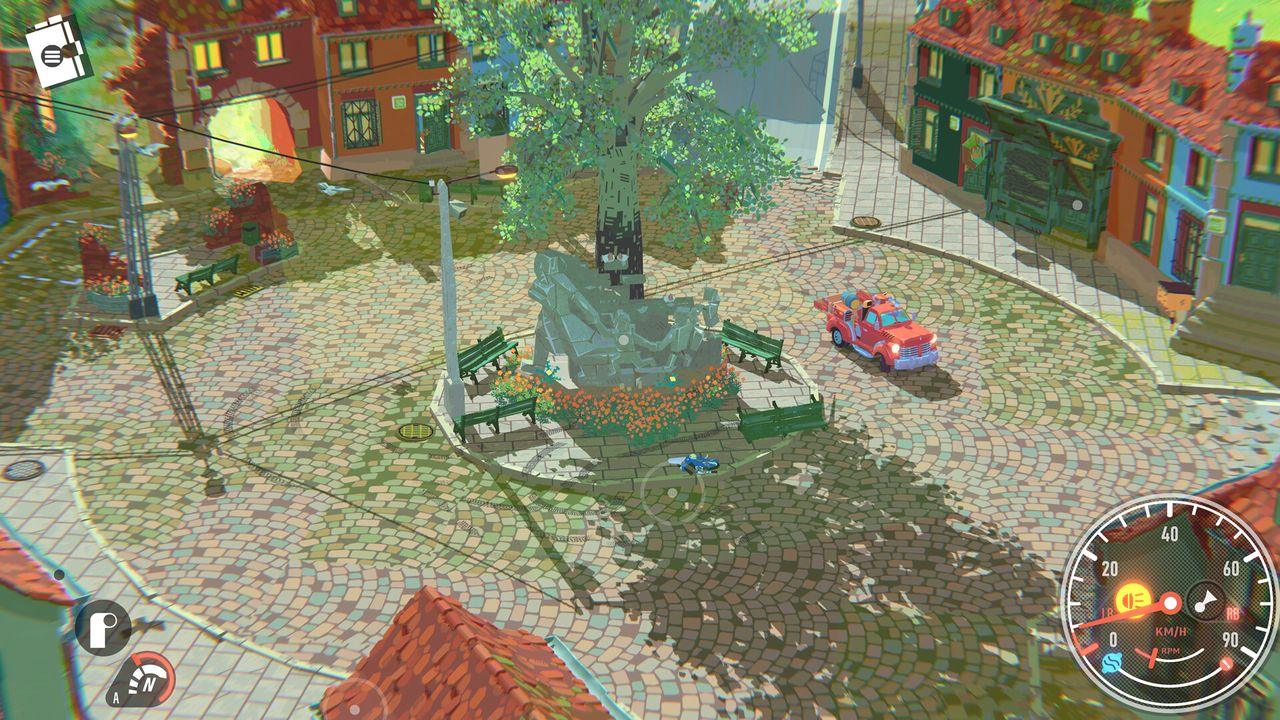
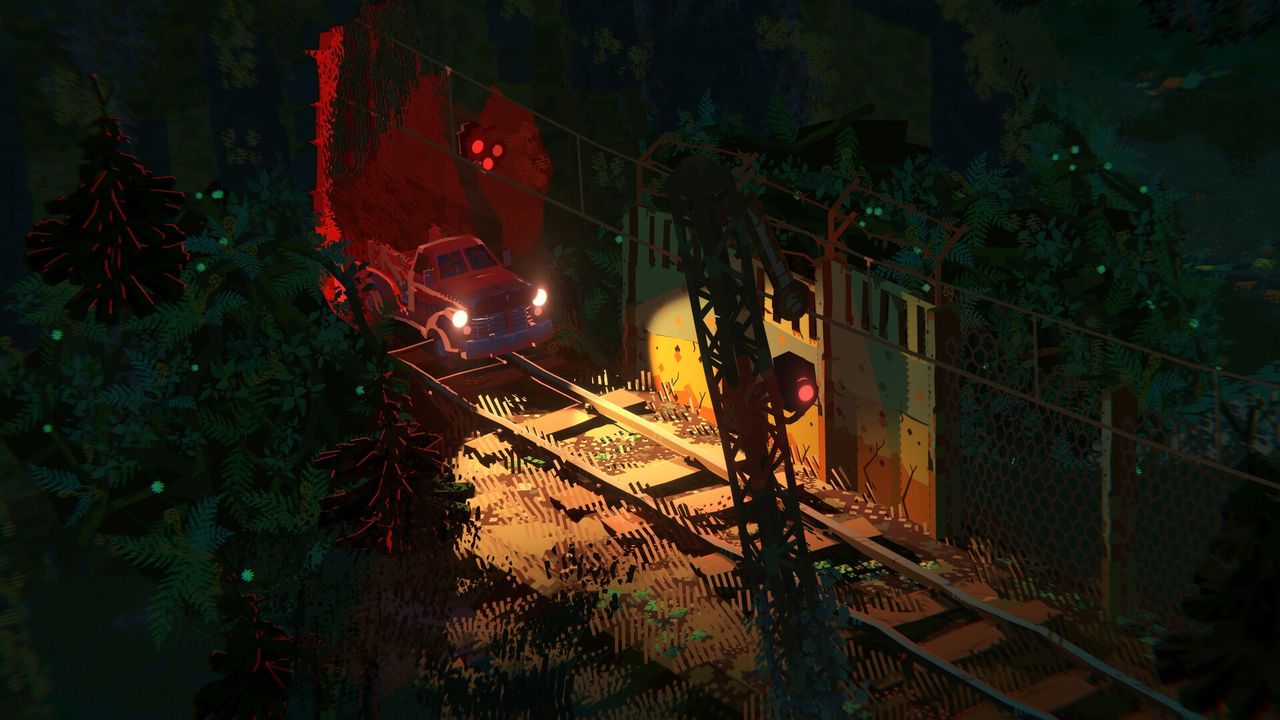
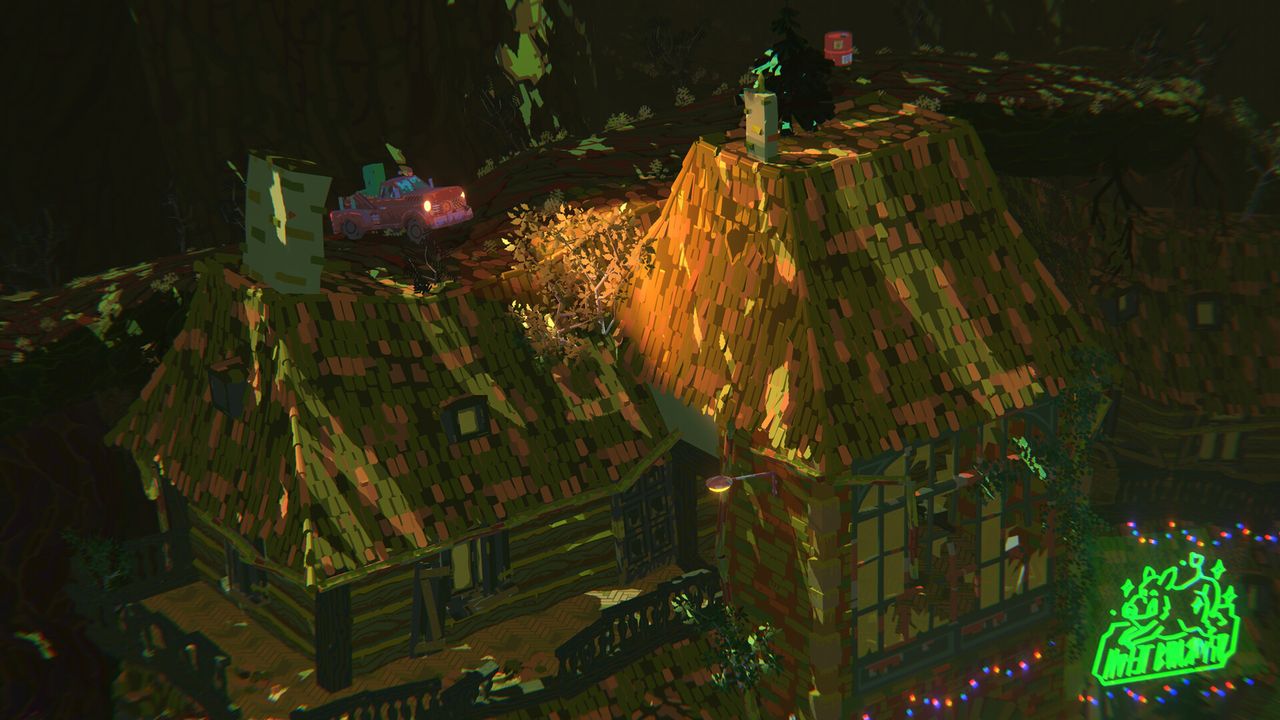
Truckful beginner guide
At the start of a new game you pick story or normal mode — the choice is permanent for that save. Then: talk to every villager you pass, take the short deliveries first, keep loads light and low until you own better handling, and treat scrap as a second progression currency alongside money.
Pairs with: Truck upgrades · Demo and playtest · The Ghost Truck
The first hour, in order
The valley opens up quickly and does not point you around by the nose — that is deliberate. The studio's answer to "what if I get lost?" is a map, a notebook and save shrines, not a trail of quest markers. So the first hour is mostly about establishing habits that survive contact with physics.
0. Pick your mode on purpose
A new game opens with a choice between story mode and normal mode: story drops the mission objectives and lets you drive, deliver and explore; normal keeps the pressure on. The pick is permanent for that save — changing your mind means a new game. Story mode is the gentler ride, not a hazard-free one: the dark truck can still catch you. (Player-reported, launch week.)
1. Talk before you drive
Villagers are not vending machines for quests. MythicOwl lists mechanics, scrapyard owners, bar hosts and hotel staff among the people you meet, and says they "provide upgrades, reveal lore, and gradually connect the pieces of the larger mystery". Talking to someone you are not delivering to yet is how you find out what the valley has.
2. Take short jobs and light loads first
You have a cargo bed and, at the start, an old truck. Both are a liability until you have driven a few routes. Short deliveries teach you the roads, and a light load forgives mistakes that a stacked bed will not.
3. Load it like a delivery driver, not a forklift
Official FAQ answer, verbatim: "Every delivery is physics-driven. You manually pack items into your truck bed, and their shape, weight and fragility matter." Practical reading of that:
- Heavy and flat at the bottom of the bed; light and tall on top.
- Fragile items wedged against something, never on the outside edge.
- Nothing above the cab line if you plan to take corners quickly.
- If the load shifts, stop and repack. Restarting a delivery costs more than fifteen seconds of stacking.
Full breakdown on the cargo physics page.
4. Buy grip before power
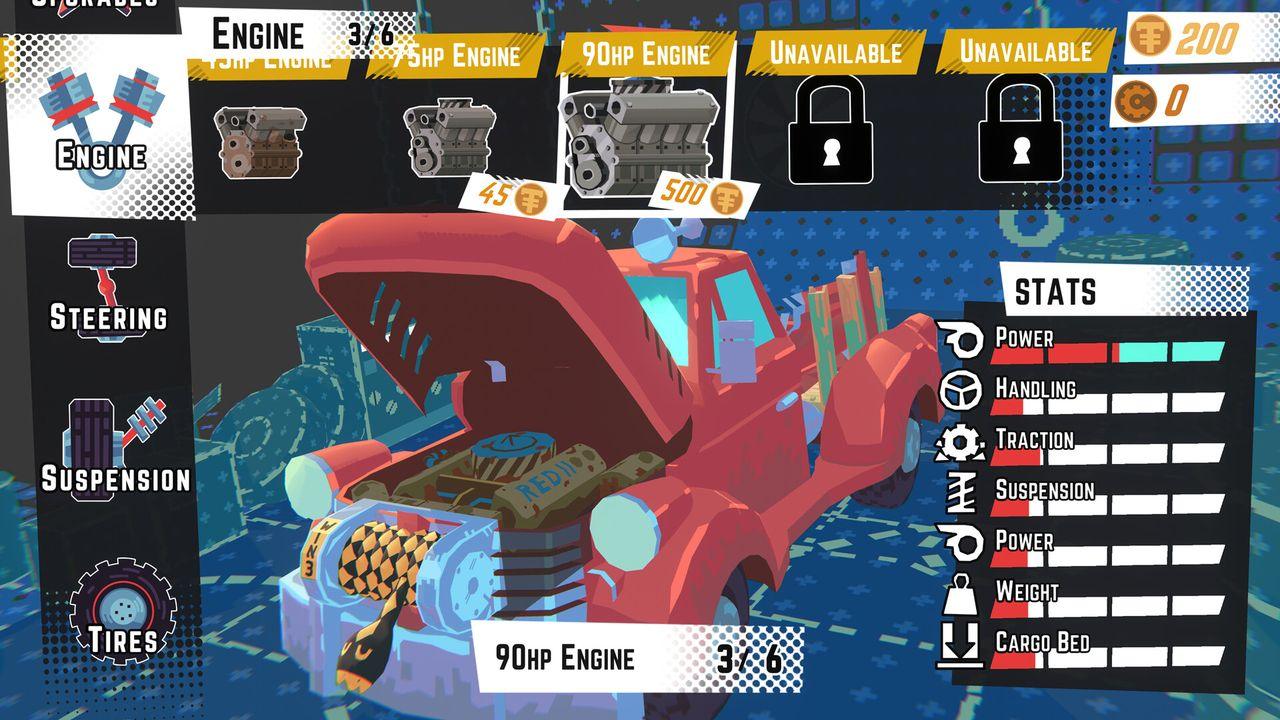
The upgrade list is short but the order matters: handling and mobility pay off on every single route, whereas top speed only pays on timed deliveries — and it multiplies every mistake the cargo physics is waiting to punish. Details on the upgrades page.
5. Collect scrap while you are out there
Scrap is the second progression currency. It comes from abandoned machinery and recyclable objects lying around the valley, and it converts into upgrade materials at Red's Scrapyard. If you are already driving past it, stop — see scrap and money.
Settings worth touching on day one
| Setting | Why |
|---|---|
| Controller mapping | Full controller support is listed, including DualShock and DualSense, but demo players asked for correct button prompts rather than remapping by hand |
| Language | The demo had no language switcher; the full game lists 30 languages, so check the option exists before you commit to a language |
| Window mode / ultrawide | Demo players on ultrawide reported dialogue boxes and the speedometer sitting in the wrong place — adjust before you start a long delivery |
| Camera / sensitivity | Not documented yet; set it in the garage, not mid-chase |
| Map & journal | Patch 1.0.3: the map opens with TAB/Select and shows your position without the GPS; the journal remembers your last tab |
What "cozy" means here
MythicOwl describes most of the game as cozy — scenic drives, friendly villagers, satisfying deliveries — with tension arriving from difficult terrain, physics cargo, supernatural encounters and environmental hazards. The encounters are built as evasion, in the studio's words "similar to Dredge". You are never meant to fight anything.