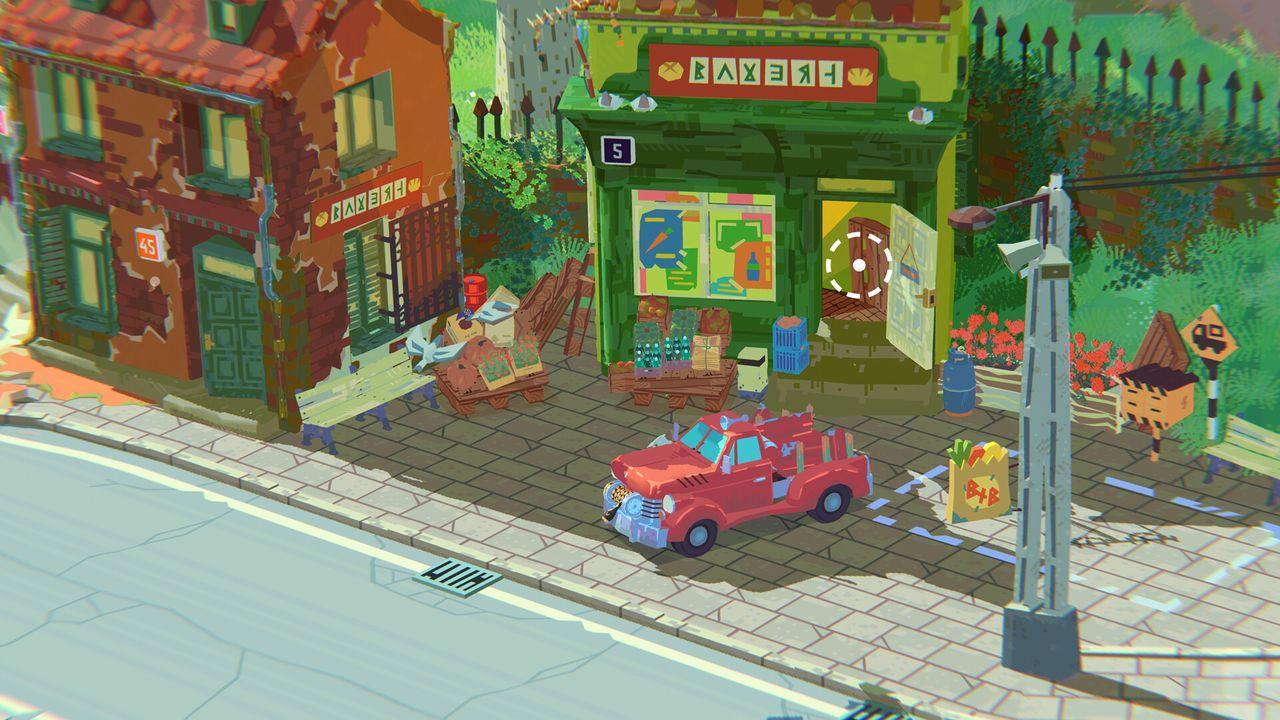
Cargo physics and loading
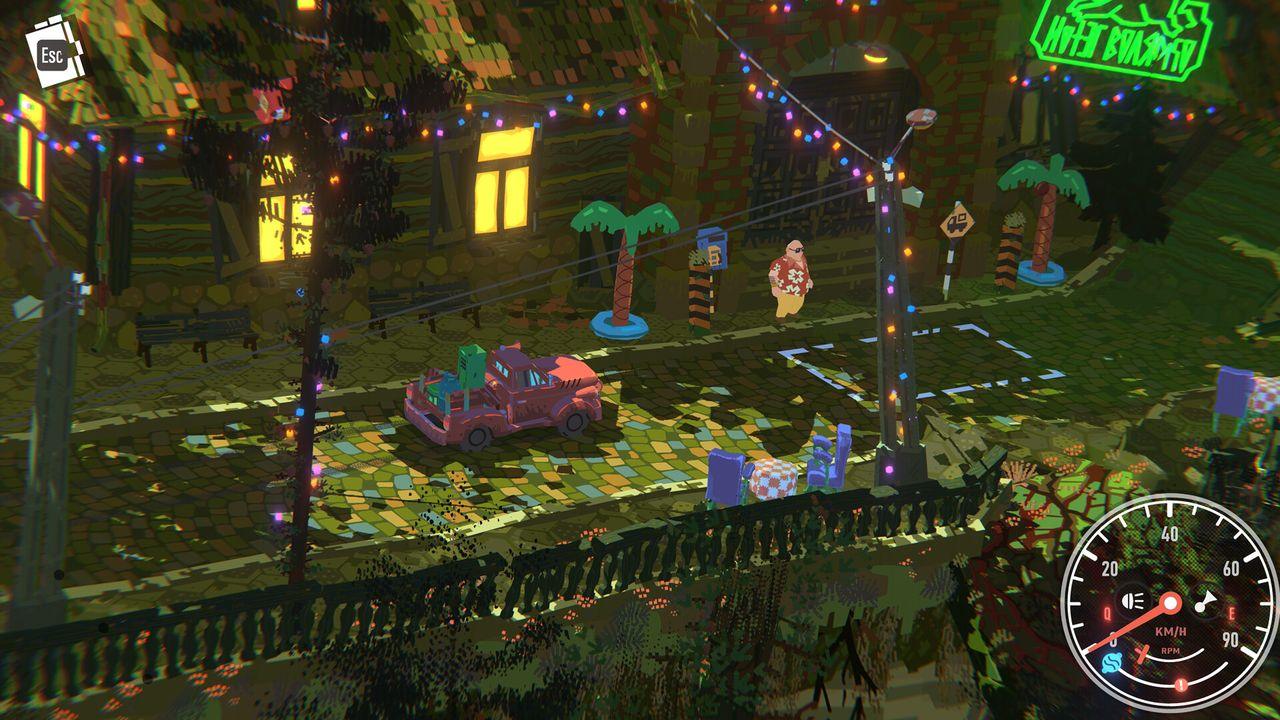
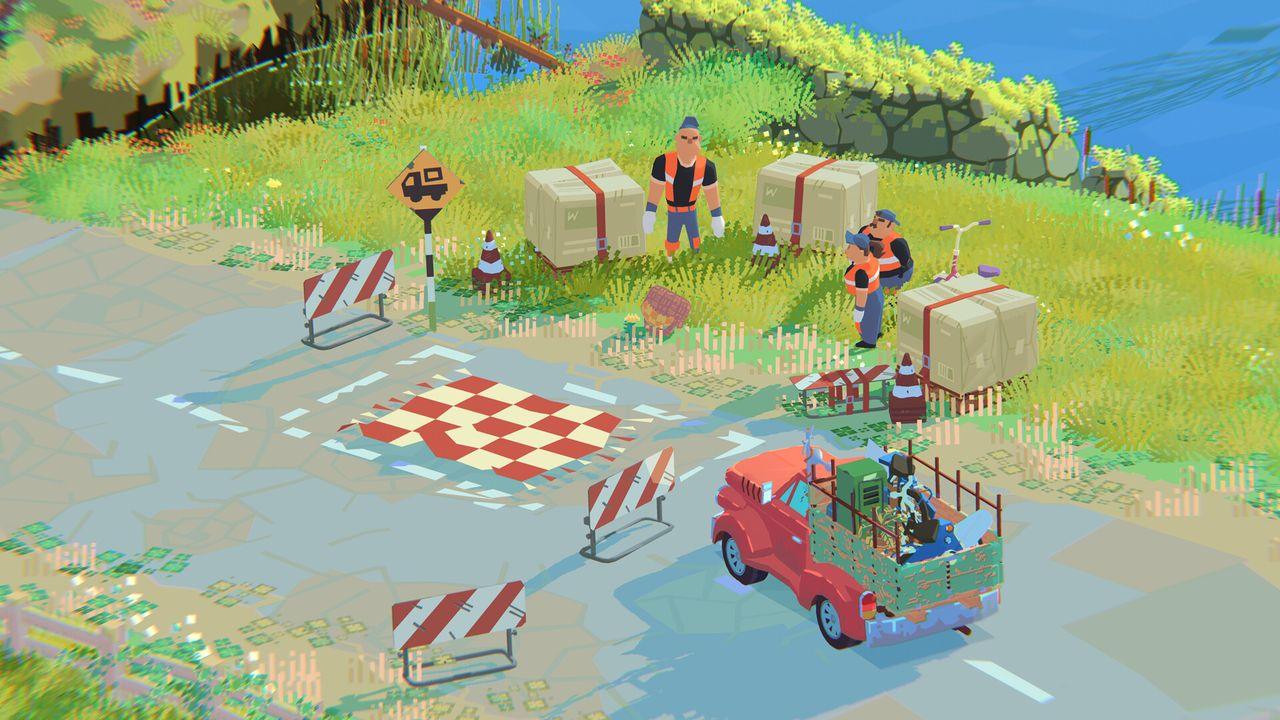
Cargo is physics-simulated: every item has shape, weight and fragility, so a stack of crates behaves nothing like a porcelain vase. Load heavy and flat at the bottom, wedge the fragile items, and slow down before the bumps rather than during them.
The rule the whole game is built on
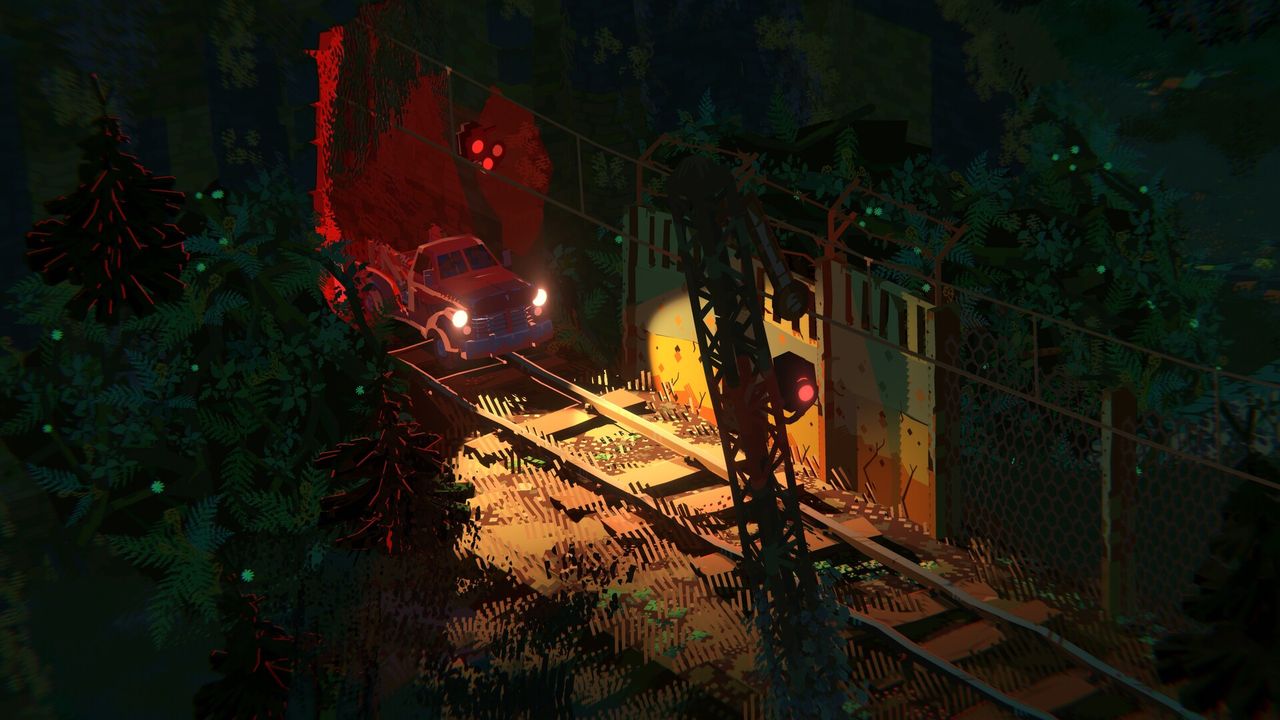
From the studio's pre-launch FAQ: "Every delivery is physics-driven. You manually pack items into your truck bed, and their shape, weight and fragility matter. A stack of wooden crates behaves differently from a delicate porcelain vase, so careful loading is just as important as careful driving."
That one paragraph explains most of what will feel unfair in your first few hours. The truck does not have a cargo-inventory; it has a bed, and whatever you put there can move, tip, slide or break.
The three properties that matter
| Property | What it changes | How to handle it |
|---|---|---|
| Weight | How much the truck wants to keep going when you brake, and how badly it wallows over crests | Put mass low and centred, directly over the axle — not at the tailgate |
| Shape | Whether items interlock into a stable stack or sit on top of each other like loose bricks | Flat, boxy items are your foundation; round or tapered items should be wedged, never stacked on |
| Fragility | Whether a bump is a jolt or a claim form | Fragile items go in the middle of the bed, surrounded by something soft or heavy-but-stable — never on an outside edge, never on top |
Two official cargo examples frame the range: ice-cold fish that needs to be delivered fast, and a classic grandma vase that will put your driving skills to the true test. Fast deliveries reward speed; fragile deliveries punish it. Same bed, opposite plan.
Packing order that works
- Floor layer — the ballast. Heaviest, flattest items. Wooden crates, sacks, boxes of parts. This layer is doing the job your suspension cannot.
- Middle layer — the fragile items. Wedged between ballast and something soft. If a fragile item can move a hand's width, it will.
- Top layer — light and long. Nothing that can become a sail or a lever. If an item's centre of mass sits above the cab line, expect to feel it on every corner.
- Edges — nothing on the outside. A vase against the bed wall is a vase against the road the first time you clip a rock.
Driving to match the load
- Brake before the bump, not on it. Braking onto a crest pitches the nose down and throws the bed up. Coast over it, brake after.
- Corners: slow in, power out. Lifting mid-corner shifts weight sideways; that is when a tall stack falls over.
- Wet ground is a different vehicle. Marshes, wetlands and water crossings are confirmed regions — and the snorkel upgrade exists precisely because water is a route, not a wall.
What the upgrades change
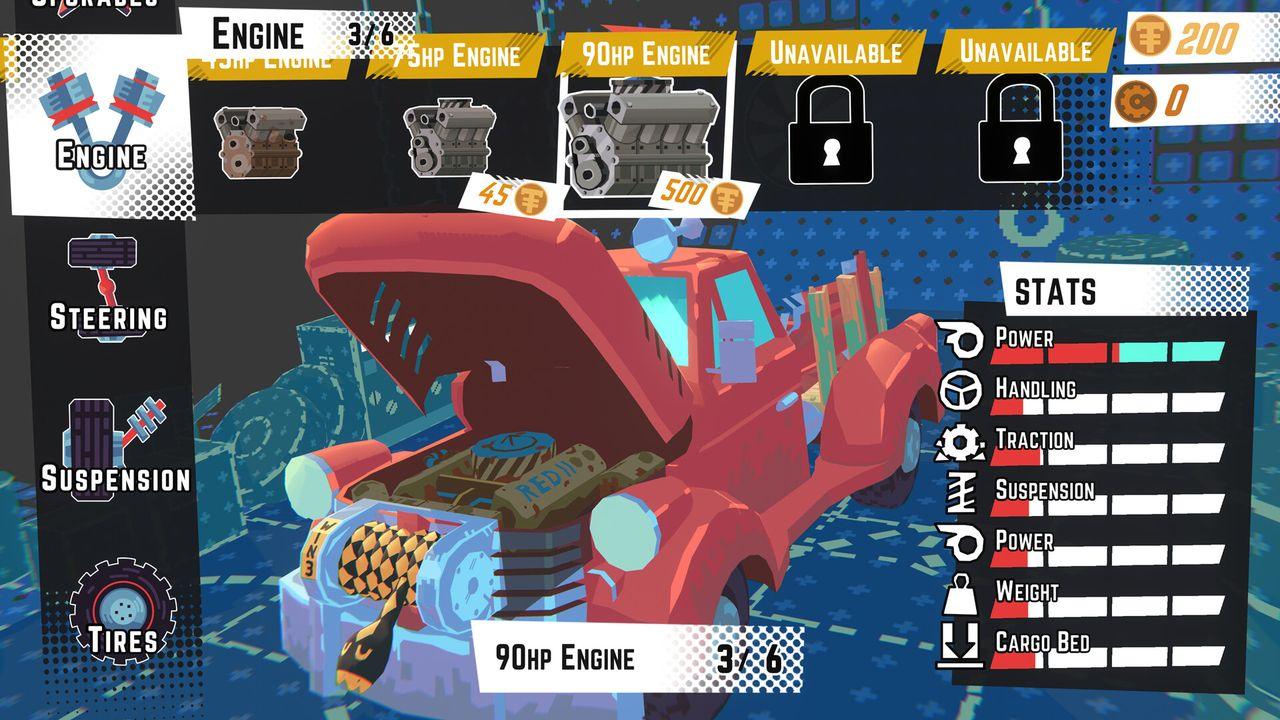
Three of the confirmed upgrades are cargo-facing rather than driving-facing:
- Increased cargo capacity — more room, which is also more weight and more stack height to manage. Capacity is not free.
- Sticky cargo — the upgrade that exists because things slide. This is the fix for the "my crates moved" problem.
- The snorkel — opens water crossings as routes.
Everything else on the list is covered on the truck upgrades page.
Reading the road ahead
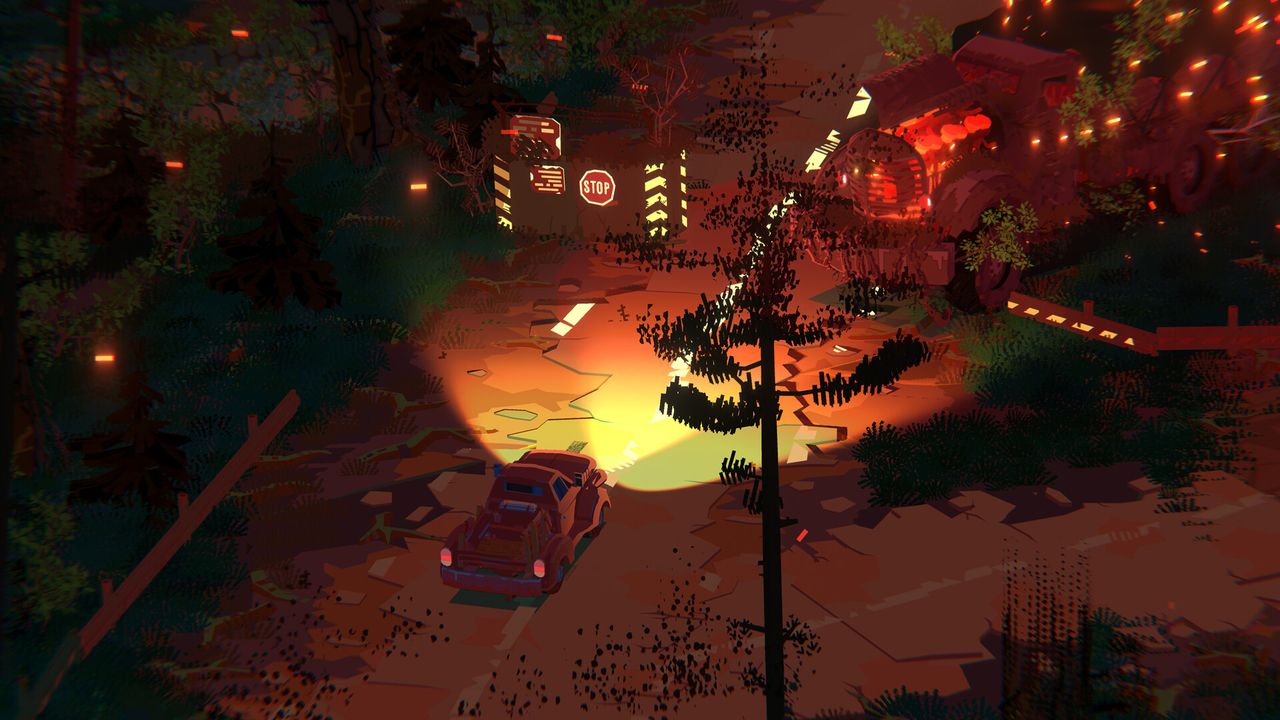
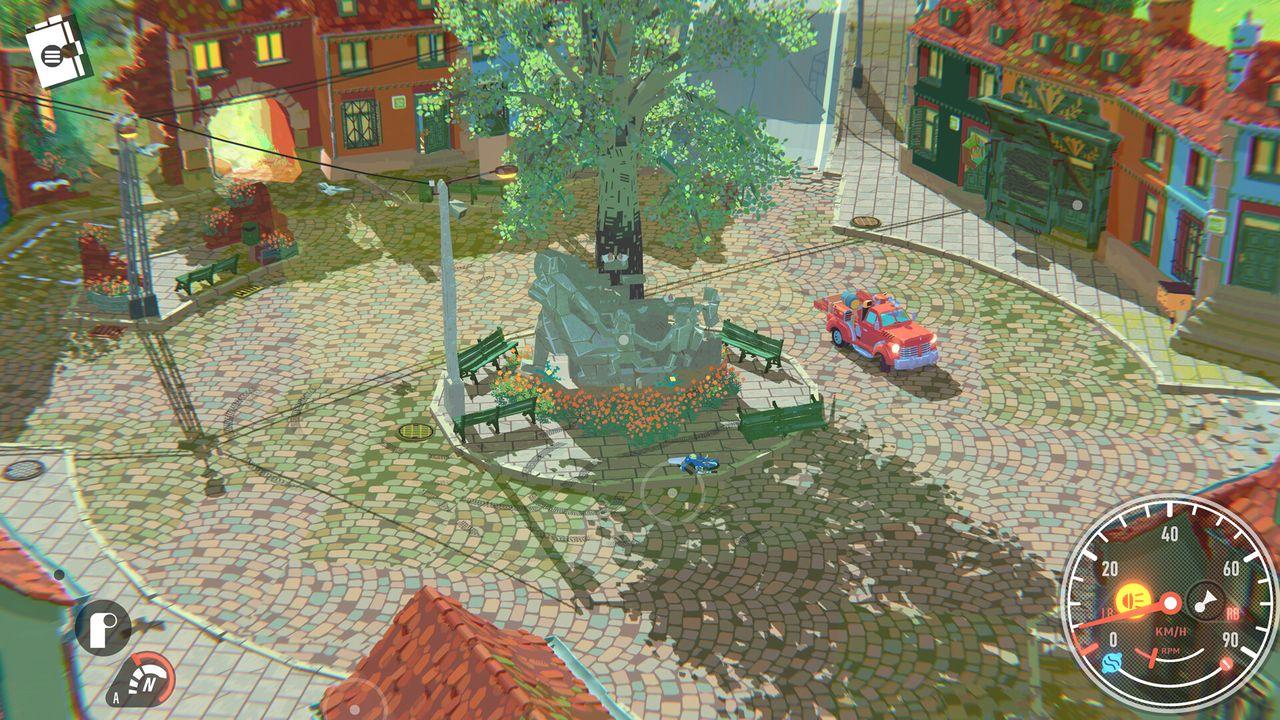
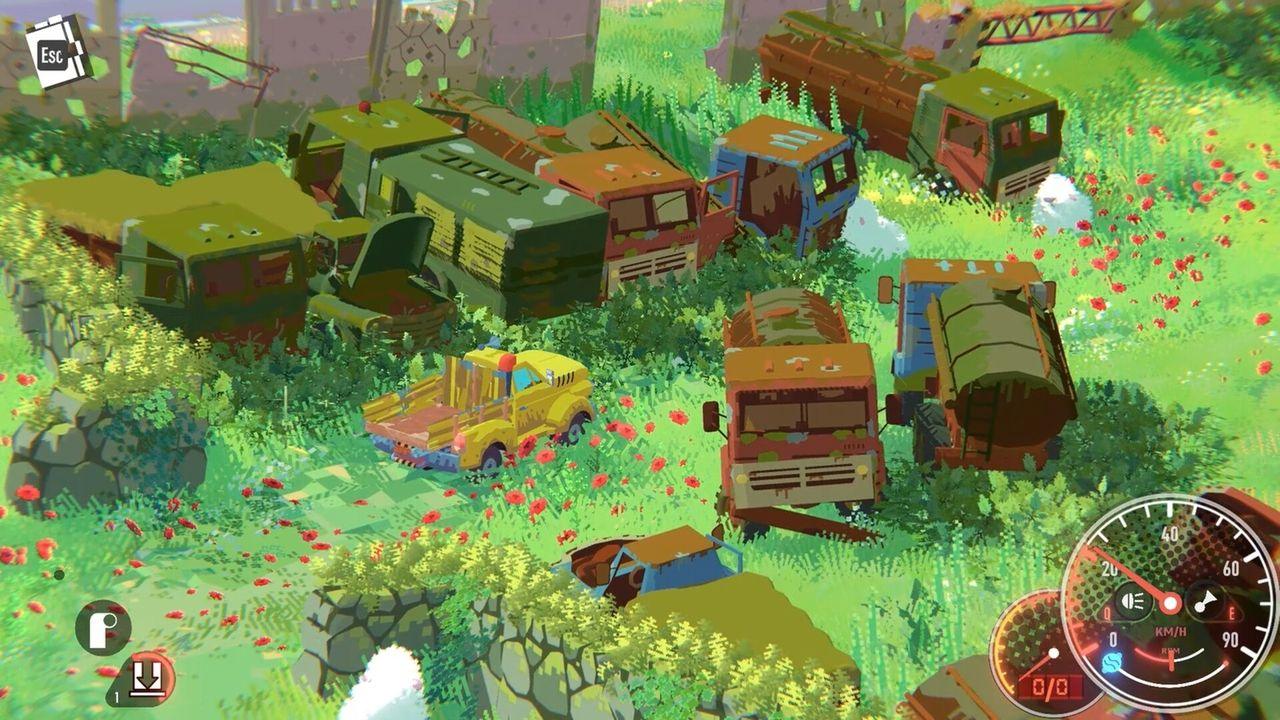
The surface under the truck matters as much as the stack on it: loose dust and gravel unsettle a light load, forest tracks are potholed, and cobbled town squares are deceptively slippery at speed. The region breakdown lists what each confirmed area does to a delivery, so you can decide before accepting a job whether the load or the road is the problem.